
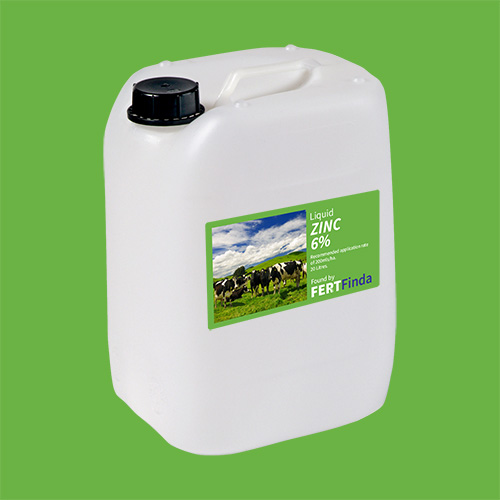

Liquid Zinc is a vital element for animal health, specifically in dairy cows, and plays a significant role in maintaining nutrient density in pastures and crops. It is essential for enzyme function, protein synthesis, and immune system regulation. Dairy cows require adequate zinc levels for proper growth, reproduction, milk production, and overall immune function.
$358.00 ex GST

Join the Fert Club to get 5-15% off your fert, and lots of other perks! Learn More
Liquid Zinc is a vital element for animal health, specifically in dairy cows, and plays a significant role in maintaining nutrient density in pastures and crops.
It is essential for enzyme function, protein synthesis, and immune system regulation. Dairy cows require adequate zinc levels for proper growth, reproduction, milk production, and overall immune function. Zinc deficiency can lead to reduced appetite, poor hoof health, decreased milk production, impaired fertility, and increased susceptibility to infections. Therefore, ensuring an adequate supply is crucial to support optimal animal performance and prevent these health issues.
Zinc also contributes to maintaining nutrient density in pastures and crops. It is a cofactor for numerous enzymes involved in plant metabolism, including those responsible for photosynthesis, carbohydrate metabolism, and hormone regulation. Zinc influences the efficiency of nutrient uptake, assimilation, and utilization in plants, thereby promoting overall crop growth and nutrient density. Adequate zinc levels in the soil can improve plant vigor, enhance yield, and increase the nutritional quality of crops.
Zinc is essential for animal health, and for maintaining nutrient density in pastures and crops. Adequate levels support enzyme function, protein synthesis, and immune system regulation in dairy cows. It also influences plant metabolism, nutrient uptake, and crop productivity. By ensuring balanced nutrition, appropriate supplementation, and implementing soil management practices that promote zinc availability, dairy cow health can be optimized, and nutrient density in pastures and crops can be maintained, ultimately leading to improved animal performance and agricultural productivity.
For pasture-based systems, it is recommended to be applied at 200-mls per hectare through a boom sprayer or rosette sprayer.
We source products from a range of trusted suppliers. This product is supplied by:
If you are interested in becoming a supplier please fill out the form here.


